
the moment it all changes
(aka why effort was never the real problem)
do you also read oracle cards? If you do you might want to know the #1 habit that may be keeping you playing small
or, perhaps your spiritual tool of choice is your pendulum. If so, do you know the #1 habit that quietly erodes your pendulum practice?
no matter what course you're following, I encourage you to enhance your studies and experience through meeting your inner guide
There’s a moment that happens when you’re reading something, listening to a podcast, or halfway through a course you signed up for with the best of intentions.
At first it feels spacious and interesting. You’re nodding along. There might even be a flicker of relief because someone has finally put words to something you’ve felt for years. You’re outside it, looking in. You can see yourself in the examples, you agree with the insights, you underline the sentences that feel particularly true. It’s comfortable there. You’re learning, reflecting, thinking, “That makes sense”.
Then, almost without noticing, something shifts. It’s usually just one line, one question, or a small suggestion that moves from “isn’t that interesting?” to “would you be willing to…”. That’s the moment when it stops being about understanding and starts being about you.
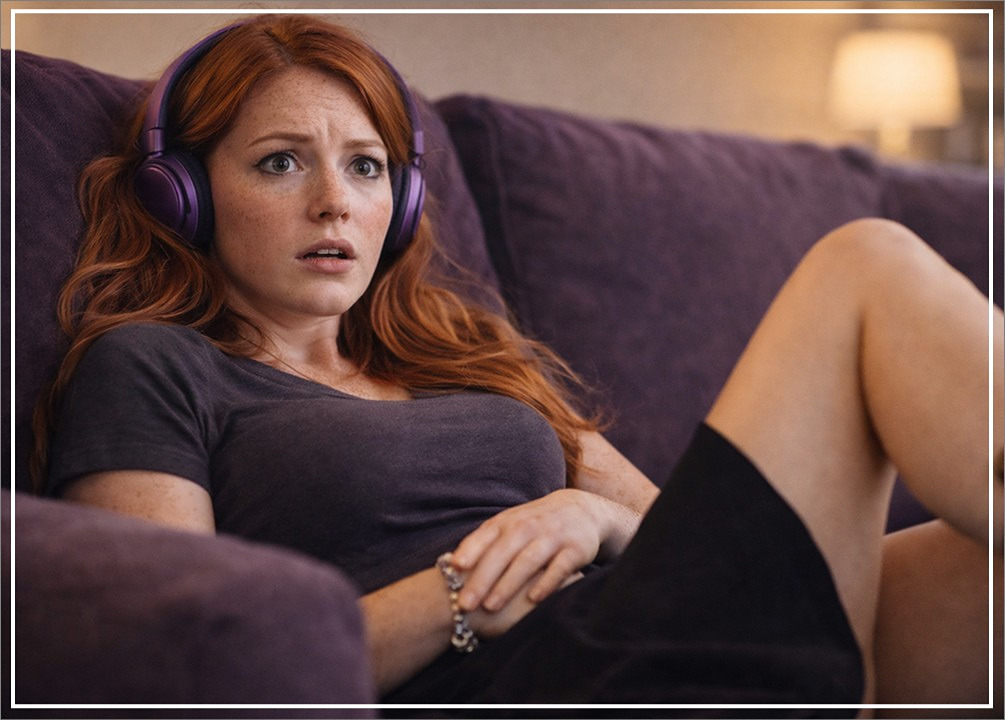
You feel it in your body before your mind catches up. A slight tightening. A pause. Your eyes skim ahead, or you suddenly remember a message you need to reply to. You tell yourself you’ll come back to it later. It all looks reasonable. And yet, if you’re honest, that’s where you step back.
Up until then you were open and curious. The second it edges towards personal implication, something in you goes still. It doesn’t look like resistance in any obvious way. You’re not closing your laptop shut or declaring the whole thing nonsense, you’re simply hovering at the edge of doing something, seeing yourself more clearly and having to decide.
Because once it becomes personally real, you can’t unknow it.
When something stays observational, it’s safe. You can gather ideas, compare them with what you already believe, even feel quietly pleased with how self-aware you are. There’s no immediate cost to that kind of engagement. It lives comfortably in your head.
When it becomes personal, it drops lower and asks, “What does this mean for the way you’re actually living?” That’s where you pause.
Maybe it’s when a journal prompt moves from theory to “write about the last time you…”. Maybe it’s when someone says, “Notice what you’re feeling right now”. Maybe it’s when you realise the example they’ve just described isn’t abstract at all. It’s your Tuesday afternoon, the conversation you keep replaying, the decision you’ve been circling for months.
Up to that point, you were consuming. In that moment, you’re involved. And being involved changes the temperature.
If you let it land, something will need to shift. Not necessarily in a big outward way. Often it’s smaller than that. A conversation you’d have to start, an email you’d need to send, or a boundary you’d have to honour… perhaps even admitting to yourself that you’re more tired than you’ve allowed yourself to notice. None of it is extraordinary. It’s ordinary life, which is exactly why it matters.
There’s a particular feeling at that edge. It isn’t panic or even obvious fear. It’s more like standing at the top of a cold swimming pool ladder. You know the water won’t harm you. You even want to be in it. You can picture yourself adjusting and finding your rhythm, and yet you stay on the step a little longer.
You re-read the paragraph, highlight another sentence, and tell yourself you’re processing. Sometimes you are and you genuinely need a beat. Sometimes you’re delaying the point at which this stops being about understanding and starts being about participation.
Participation asks something of you. It asks you to risk being slightly different tomorrow than you were yesterday. It asks you to move from agreement into action, even if that action is as small as telling the truth about how you feel. It asks you to step out of the comfort of being the observer of your own life.
That observer position is clever. It lets you stay informed without feeling exposed. You can track your patterns, name your tendencies, even talk about them intelligently. You become someone who knows a lot about yourself.
Knowing, though, isn’t the same as allowing.
That’s the crossroads. Allowing means the insight isn’t something you hold at arm’s length. It’s something you let rearrange you, even slightly. It might soften a certainty you’ve clung to or unsettle a story that’s felt protective, perhaps showing you that you’ve outgrown a role you’ve been playing very well.
From the outside, nothing changes. You’re still reading and listening, the same person sitting at the same table. Inside, there’s a fork in the road. One path says, “That’s interesting”, and closes the tab. The other says, “Oh… that’s me”. The second path doesn’t make a fuss. It just waits.
You’ve taken it before, even if you didn’t name it at the time. The day you stopped explaining something away and admitted it hurt. The afternoon you realised you couldn’t keep pretending you were fine with a situation that kept draining you. The moment you saw that the thing you kept blaming externally had roots closer to home.
Each time, there was that pause and that hovering, a small internal negotiation. Sometimes you stepped back and chose more time, more thinking, more distance. There’s nothing shameful in that. It’s human to hesitate at the point of personal consequence.
Other times, almost without ceremony, you let it land. You didn’t make a grand declaration or overhaul your life overnight. You simply allowed the insight to belong to you. That’s when it becomes real.
After you’ve seen that edge in yourself, something does shift. You start recognising the pause as it happens. You notice the moment you’re tempted to stay in understanding rather than step into ownership. It doesn’t mean you always move forwards and it doesn’t mean you never hover again. It simply means you can see it.
Once you can see where you pause, you’re no longer just observing what you’re learning. You’re inside it.
Once you can recognise that moment, learning stops being something you collect and becomes something you use to orient yourself in real situations. You don’t need to push or force change; you simply notice earlier when you’re standing just outside your own understanding. That alone alters how you continue, not because you’ve been instructed to act, rather because it’s harder to un-know where you’ve been quietly holding yourself back.